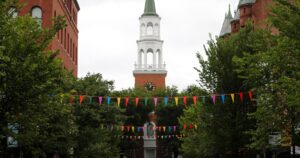
Let’s be real, finding the perfect study spot in Boston can feel like searching for a needle in a haystack. Between juggling classes, assignments, and trying to maintain some semblance of a social life, the last thing you need is to waste time bouncing between overcrowded cafes or libraries with unreliable wifi. Whether you’re a Boston University student prepping for midterms, an MIT student working on a problem set, or just someone who needs a productive space away from distractions, Boston’s got you covered.
Why Your Study Location Actually Matters More Than You Think
Before we get into the specific spots, let’s talk about why choosing the right study environment is such a game-changer. You might think, “It’s just a place to open my laptop, right?” Wrong. Research consistently shows that your environment has a massive impact on focus, retention, and productivity.
Think about it: have you ever tried to study in your dorm room only to find yourself reorganizing your desk drawer for the third time or suddenly developing an intense interest in cleaning? That’s because your brain associates your room with relaxation and sleep, not productivity. By physically moving to a dedicated study space, you’re signaling to your brain that it’s time to focus.
Different tasks also require different environments. Memorizing vocab for a language exam? A quiet library might be perfect. Working on a creative writing assignment? Maybe that cafe with gentle background chatter will help your ideas flow. Studying with a group for an organic chemistry exam? You’ll need a space where talking is actually allowed.
The key is knowing what options are available so you can match your environment to your needs. That’s exactly what StudyNearby helps you do—it’s a comprehensive directory that takes the guesswork out of finding study places across the United States, including 90 verified study spots in Boston alone.
The Classic Choice: Boston’s Historic Libraries
Boston Public Library
If you haven’t studied at the Boston Public Library yet, you’re missing out on one of the most iconic study experiences in the entire city. This isn’t just any library—it’s the first large free municipal library in the United States, and walking through its doors feels like stepping into an academic sanctuary.
The star of the show here is Bates Hall, a reading room that looks like it belongs in a Harry Potter movie. We’re talking soaring arched ceilings, rows of green reading lamps, and a atmosphere that practically screams “serious scholarly work happening here.” The space is so beautiful that tourists literally come just to take photos, but don’t let that distract you—once you settle in with your books, you’ll find yourself in prime study mode.
The library offers multiple study environments under one roof. Need absolute silence? Head to the upper floors. Want a more collaborative space? The lower levels are your friend. There’s free wifi throughout, plenty of outlets (though they can get claimed quickly during peak hours), and if you need a break, there’s a Dunkin’ right across the street.
Pro tip: The library gets packed during midterms and finals week, especially in the afternoon. If you can swing it, aim for morning sessions or weekday afternoons when it’s a bit quieter. Also, bring headphones even if you don’t plan to use them—they’re a universal “please don’t talk to me” signal that comes in handy.
Boston Athenaeum
Want to feel like an 18th-century scholar? The Boston Athenaeum is calling your name. This private library dates back to 1807 and is dripping with old-world charm. Dark wood shelves, ornate architecture, and that distinctive smell of old books create an atmosphere that’s intensely conducive to deep focus.
Here’s the catch: it’s technically a membership library, though visitors can access the first floor for free. If you’re a serious student who values a consistently quiet, distraction-free environment, the monthly membership fee of around $16.67 might actually be worth it. You’ll get access to all five floors, rare book collections, and art galleries that make for inspiring study breaks.
The Athenaeum is perfect for when you really need to hunker down with dense reading material or work on something that requires serious concentration. It’s not the place for group work or casual studying—this is where you go when you mean business.
Coffee Shops That Actually Get It
Tatte Bakery & Cafe
Tatte has become something of a Boston institution, and there’s a good reason it’s packed with laptop-wielding students at basically all hours. With multiple locations across the city—including spots on Massachusetts Ave near Berklee, Summer Street, and High Street—you’re never too far from excellent coffee and even better pastries.
What makes Tatte special for studying? The atmosphere hits that sweet spot between energetic and calm. There’s enough ambient noise to keep things from feeling sterile, but not so much that you can’t concentrate. The food is genuinely good (those shakshuka eggs will fuel your study session like nothing else), and the wifi is reliable.
The downside? Tatte is popular, which means seating can be competitive, especially during morning rush and lunch hours. If you’re planning to camp out for a few hours, try to arrive during off-peak times, and definitely buy something every couple of hours as a courtesy to the staff and other customers.
Thinking Cup
Located in the heart of downtown Boston, Thinking Cup has earned its reputation as one of the best coffee shops for students. The cafe manages to maintain a welcoming vibe even when it’s busy, and the staff genuinely seem to understand that students need space to work.
The coffee is top-notch (they take their espresso seriously here), and there are both communal tables for when you don’t mind some company and smaller individual spots for solo study sessions. The wifi is strong, outlets are plentiful along the walls, and the natural light from the large windows makes afternoon study sessions particularly pleasant.
One thing to know: Thinking Cup is in a high-traffic area, so mornings before work and weekday lunch rushes can get hectic. Early morning or mid-afternoon are your best bets for snagging a good spot.
Caffè Nero
If you’re studying near Boston University or Northeastern, you’ve probably noticed the Caffè Nero locations scattered throughout the area. This UK-based chain has successfully figured out what students need: comfortable seating, reliable wifi, and a general acceptance that yes, you’re probably going to be here for a while.
The European-style ambiance is a nice change from typical American coffee chains, and the coffee drinks are solid. Many locations have a good mix of seating options—from cozy armchairs perfect for reading to larger tables suitable for spreading out notes and textbooks.
Toscanini’s
Here’s a curveball: an ice cream shop that’s also a fantastic study spot. Located near MIT in Cambridge, Toscanini’s has been called “the best ice cream in the world” by the New York Times, and students have discovered that the combination of phenomenal ice cream and a study-friendly atmosphere is basically perfect.
The space has large tables, free high-speed wifi, and a relaxed vibe that welcomes extended stays. Plus, when you need a study break (or a reward for finishing that problem set), you can treat yourself to flavors like Burnt Caramel or B3 (brown butter, brown sugar, brownies). It’s the kind of place that makes studying feel less like a chore and more like an actual experience.
University Spaces (Even If You’re Not a Student There)
Boston University Libraries and Study Spaces
If you’re a BU student, you’ve hit the jackpot when it comes to study spaces. The campus is loaded with options, each with its own vibe. Mugar Memorial Library is the traditional choice—it’s open 24 hours during finals week and has seven floors, with each floor getting progressively quieter as you go up. The ground floor is perfect for group work, while the upper floors are library-quiet zones where you can really focus.
The Questrom School of Business has become a popular study spot even for students outside the business school. The third floor features team rooms you can reserve, large round tables, and floor-to-ceiling bookshelves that create natural sound barriers. You’ll need a BU ID for access, but if you’re in the BU community, it’s worth checking out.
Then there’s the CDS building (Center for Computing & Data Sciences)—that striking 19-story tower you can’t miss. The floor-to-ceiling windows let in tons of natural light, and there are plenty of quiet study corners with whiteboards for working through problems. The bottom floors are better for collaborative work, while the upper floors offer more isolated study nooks.
Harvard’s Widener Library
Getting into Widener requires being affiliated with Harvard (or another institution with reciprocal access, like Dartmouth), but if you can access it, it’s an experience. As one of the largest university libraries in the world, Widener houses over 3.5 million volumes and offers stunning reading rooms that make you feel like you’re part of something historically significant.
The atmosphere is serious here—people come to Widener to get work done. The quiet study areas are meticulously maintained, and the collection of rare manuscripts and special materials means you might find yourself diving into research rabbit holes you never expected.
The Outdoor Options (For When You Need Fresh Air)
Charles River Esplanade
When the weather cooperates—and let’s be honest, in Boston that’s a precious window—the Charles River Esplanade becomes one of the most beautiful study spots in the city. The riverfront park stretches for three miles and offers countless benches with views of the water and the Boston skyline.
This is ideal for reading, reviewing notes, or working on anything that doesn’t require internet (though if you position yourself close enough to BU, you might catch their wifi signal). The fresh air and natural setting can be incredibly refreshing when you’ve been cooped up in libraries and classrooms all week.
Pack sunscreen, bring a portable charger for your devices, and maybe grab a coffee to-go from one of the nearby cafes. The Esplanade is particularly gorgeous in early fall and late spring when the weather is mild but not too hot.
Arnold Arboretum
If you’re willing to venture a bit outside the immediate downtown area, the Arnold Arboretum in Jamaica Plain offers 281 acres of meticulously maintained gardens and green spaces. It’s one of the most peaceful outdoor study spots in the entire Boston area.
The catch? No wifi. This is strictly for offline work—think reading textbook chapters, reviewing printed notes, or working through problem sets you’ve already downloaded. The trade-off is the incredible natural beauty and the kind of quiet that’s increasingly hard to find in the city. Some of the trees here are over 200 years old, and studying under their shade feels almost meditative.
The Unique Spots You Might Not Have Considered
Museum Study Sessions
Here’s something most students don’t think about: many museums make surprisingly good study spots. The Museum of Fine Arts has a beautiful courtyard and café area where you can set up with your laptop. The quiet atmosphere and inspiring art around you can actually enhance creativity and focus.
The Isabella Stewart Gardner Museum is another option, though it’s smaller and can feel a bit formal for extended laptop sessions. Still, if you need to read for a couple of hours in a genuinely beautiful setting, it’s worth considering.
Hotel Lobbies
Unconventional but surprisingly effective: hotel lobbies. Places like the Charlesmark Hotel in Back Bay have café areas and lounges that welcome non-guests. The wifi is usually excellent (hotels need it for their guests), there are plenty of outlets, and the atmosphere is typically calm and professional.
The key is to be respectful—buy a coffee or snack from the hotel café if they have one, keep your volume down, and be prepared to move if the space gets busy with actual hotel guests. But on a random Tuesday afternoon? These can be hidden gems for productive study sessions.
What to Look for in Your Ideal Study Spot
Now that you know what’s out there, let’s talk about how to choose the right spot for your specific needs. Not all study sessions are created equal, and matching your environment to your task can seriously boost your productivity.
Noise Level Preferences
Some people need absolute silence. Others find that a bit of background noise—the hum of conversation, the hiss of an espresso machine—actually helps them focus. Figure out which camp you’re in and choose accordingly.
Libraries like the Boston Athenaeum or the upper floors of Mugar are perfect for silence-seekers. Coffee shops like Tatte or Thinking Cup work better if you like ambient noise. And places like Life Alive or Flour Bakery + Cafe fall somewhere in the middle—there’s activity and energy, but it’s not overwhelming.
Amenities That Matter
When you’re scouting study locations, pay attention to the essentials:
- Wifi reliability: This seems obvious, but there’s nothing worse than settling in for a research session only to discover the wifi is spotty or requires you to keep logging back in every 20 minutes.
- Power outlets: If you’re planning to be there for more than an hour or two, you need access to outlets. Scout the walls and tables when you arrive.
- Seating comfort: That cute wooden chair might look Instagram-worthy, but can you actually sit in it for three hours? Cushioned seating is your friend for long sessions.
- Lighting: Good lighting reduces eye strain and fatigue. Natural light is ideal, but well-designed artificial lighting works too. Avoid places that are too dim—you’ll end up with a headache.
- Temperature control: Some cafes blast the AC in summer or the heat in winter. Dress in layers so you can adjust.
Time Limits and Expectations
Be realistic about how long you can reasonably stay. Most coffee shops expect you to make a purchase every 2-3 hours if you’re occupying space. Libraries are more accommodating for extended stays, but they also have closing times.
If you need an all-day study marathon, plan accordingly. Libraries are usually your best bet. If you’re doing the coffee shop circuit, budget for multiple purchases throughout the day and be prepared to potentially move locations if one spot gets too crowded.
How to Make the Most of Any Study Spot
Even the perfect study location won’t help if you’re not setting yourself up for success. Here are some practical tips that work regardless of where you choose to study:
Arrive Prepared
Don’t waste precious study time hunting for materials or downloads. Before you leave home:
- Download any files or articles you need (don’t rely on wifi to load large PDFs)
- Charge all your devices fully
- Pack your chargers and any adapters you might need
- Bring headphones (even if you don’t use them, they signal “I’m busy”)
- Have water and snacks if it’s not a place where you can easily buy refreshments
Stake Out Your Territory
Getting to popular spots early gives you first pick of seats. The good tables near outlets and away from high-traffic areas go fast. If you’re planning a serious study session, arriving 30 minutes before peak times can make a huge difference.
Set Clear Goals
Before you open your laptop, know what you’re trying to accomplish. “Study for three hours” is vague. “Complete the biology reading for chapters 4-6 and create flashcards for key terms” is specific and achievable. You’re much more likely to stay focused when you have concrete objectives.
Take Real Breaks
Your brain isn’t designed for hours of continuous focus. Use the Pomodoro Technique (25 minutes of focus, 5-minute break) or whatever interval works for you. During breaks, actually move—walk around, get fresh air, grab a snack. Scrolling through social media while remaining in your seat doesn’t count as a real break.
Finding Study Spots Across Greater Boston
Boston proper has tons of options, but don’t sleep on the surrounding areas. Cambridge and Somerville are packed with student-friendly cafes and libraries that are often less crowded than their Boston counterparts.
Cambridge, home to Harvard and MIT, has its own ecosystem of study spots. Places like Broadsheet Coffee Roasters and Andala Coffee House are beloved by students for their welcoming atmospheres and solid wifi.
Somerville’s Davis Square and Union Square neighborhoods have seen an explosion of great cafes in recent years. These areas tend to be a bit more residential, which often means you can find study spots that aren’t quite as packed during peak hours.
The easiest way to discover study spots in any Boston neighborhood is through StudyNearby’s Massachusetts directory. You can filter by amenities like wifi, quiet zones, and hours of operation to find exactly what you need.
Seasonal Considerations for Boston Study Spots
Living in Boston means adapting to some serious seasonal variation. Your ideal study spot in September might be completely different from your go-to in January.
Fall Study Strategy
Early fall is gorgeous in Boston, making outdoor spots like the Esplanade and Arnold Arboretum incredibly appealing. Take advantage while the weather lasts—by November, you’ll be seeking heated indoor spaces.
Fall is also when new students are getting their bearings, so popular campus libraries can be extra crowded. This is actually a great time to explore off-campus options.
Winter Survival Mode
Boston winters are no joke. When it’s 20 degrees outside and the wind is whipping off the harbor, you need study spots that are warm, cozy, and ideally don’t require much outdoor walking to reach.
Coffee shops become even more popular in winter, which means getting there early is crucial. Libraries with extended hours become valuable resources during those dark, cold months when you need somewhere to be besides your apartment.
Spring Awakening
When the weather finally breaks (usually April-May), everyone emerges from hibernation simultaneously. Outdoor spots get packed, but the energy is wonderful. This is the perfect time to mix up your routine with outdoor study sessions and patio seating at cafes.
Summer Sessions
Summer in Boston means tourist season, which affects downtown locations significantly. The Boston Public Library gets busier with visitors, and popular cafes can be crowded with tourists. On the plus side, if you’re doing summer courses, many university libraries are quieter than during the regular semester.
Budget-Friendly Study Spot Strategies
Let’s talk money. Being a student usually means watching your budget, and those $6 lattes add up fast when you’re buying them multiple times a week at study cafes.
Free Options
Libraries are your friend here. The Boston Public Library, university libraries (if you have access), and neighborhood branches throughout the city are completely free. No pressure to purchase anything, and you can stay as long as they’re open.
Public parks during good weather are also free, though you’ll need to work offline unless you can find public wifi.
Making Cafe Studying More Affordable
If you prefer the cafe environment but need to watch spending:
- Look for cafes with free water instead of buying bottled drinks
- Buy one drink and nurse it—many places have free refills on drip coffee
- Bring your own snacks (be subtle about this and check if it’s actually allowed)
- Take advantage of student discounts where available
- Consider splitting a bigger table with a friend and sharing the cost of snacks
- Visit during off-peak hours when you won’t feel as much pressure to keep ordering
Loyalty Programs
If you regularly study at chain cafes, sign up for their rewards programs. The free drinks and discounts can actually add up over a semester. Tatte, Dunkin’, and Starbucks all have programs worth joining if you’re a regular.
Study Spot Etiquette (Don’t Be That Person)
We’ve all encountered “that person” at study spots—the one who loudly FaceTimes in a quiet library or camps out at a two-person table during lunch rush with just a water cup. Don’t be that person. Here’s how to be a respectful study spot citizen:
At Coffee Shops
- Make purchases regularly—a good rule is something every 2-3 hours
- Don’t hog large tables during busy times if you’re solo
- Use headphones for music or videos
- Keep phone conversations outside or extremely brief
- Clean up your space when you leave
- If there’s a line and no seats, consider moving on to give others a chance
At Libraries
- Respect quiet zones—seriously, no talking
- Set phone to silent (not vibrate in a quiet room)
- If you need to take a call, step outside
- Don’t save seats for extended periods—use them or lose them
- Pack up all your materials when taking breaks so others can use the space
- Keep snacks quiet (no crunchy chips in the silent reading room)
General Guidelines
- Don’t spread out more than necessary
- Be mindful of strong food smells
- Respect closing times—don’t make staff ask you to leave
- If you’re in a group, gauge whether your noise level is appropriate
- Thank the staff, especially at cafes where you’ve been for hours
Using Technology to Find Your Perfect Spot
The days of wandering around hoping to stumble onto a good study spot are over. Smart students use technology to scope out locations before leaving home.
StudyNearby is specifically designed for this purpose. Unlike general review sites, it focuses specifically on study-friendly locations. You can search by city, check amenities, see hours of operation, and read reviews from other students who’ve actually used these spaces for studying.
The platform covers study places throughout Massachusetts, making it easy to find spots whether you’re near campus or across town. Each listing includes details about wifi quality, outlet availability, noise levels, and other factors that actually matter when you’re trying to get work done.
Google Maps can also be useful—check photos to see the seating layout and space, and read recent reviews for mentions of wifi or outlet availability. But be aware that general reviews might not focus on study-specific needs.
Creating Your Personal Study Spot Rotation
Here’s a secret successful students know: having a rotation of go-to study spots is way better than relying on just one. Different locations work for different purposes, and having options prevents you from burning out on any single place.
Your Study Spot Arsenal Should Include:
- The quiet powerhouse: That library or serious cafe where you go when you absolutely must focus with zero distractions
- The collaborative space: Somewhere you can meet with study groups without disturbing others
- The comfort zone: A cozy cafe or lounge where you can work on less intensive tasks in a relaxed atmosphere
- The backup option: A reliable spot that’s usually less crowded, for when your first choices are packed
- The weather-dependent option: An outdoor or naturally lit space for when conditions are perfect
Rotate through these based on what you’re working on. Memorization and focused reading? Hit the quiet spot. Creative project or lighter review work? The comfort zone is calling. Group project? Use the collaborative space.
Final Thoughts: Finding Your Study Sweet Spot
Boston’s abundance of study spots is both a blessing and a curse. On one hand, you have incredible options. On the other, choice paralysis is real, and you can waste valuable time trying to find the “perfect” spot.
Here’s the truth: the perfect study spot is the one that works for you, right now, for what you need to accomplish. It might be different tomorrow, and that’s okay. The goal is to spend less time searching and more time actually studying.
Start by trying a few different types of locations—a traditional library, a couple of cafes, maybe an outdoor spot if weather permits. Pay attention to how you feel in each space. Where do you actually get work done? Where does time fly by because you’re so focused? Where do you find yourself constantly distracted?
Use resources like StudyNearby to discover new options and read about other students’ experiences. But also trust your own instincts. Just because everyone raves about a particular cafe doesn’t mean it’s the right fit for your study style.
Remember that the best study strategy isn’t about finding one magical location and sticking with it forever. It’s about building a toolkit of spaces you can deploy based on your needs—the assignment you’re working on, the time of day, your energy level, and your mood.
Boston gives you the options. The rest is up to you. Now stop reading about study spots and go actually find one—you’ve got work to do!
Quick Reference: Boston Study Spots at a Glance
| Location | Best For | Wifi | Cost | Noise Level |
|---|---|---|---|---|
| Boston Public Library | Long study sessions, absolute quiet | ✓ | Free | Very Quiet |
| Boston Athenaeum | Deep focus, research work | ✓ | $16.67/month | Very Quiet |
| Tatte Bakery | Moderate sessions, good food | ✓ | $-$$ | Moderate |
| Thinking Cup | Solo work, quality coffee | ✓ | $-$$ | Moderate |
| Toscanini’s | Casual study, treats | ✓ | $ | Low-Moderate |
| BU Mugar Library | 24-hour access (finals), group & solo | ✓ | Free (BU students) | Varies by floor |
| Charles River Esplanade | Reading, offline work | Limited | Free | Quiet (outdoor noise) |
| Arnold Arboretum | Reading, reflection | None | Free | Very Quiet |
Frequently Asked Questions
What are the best 24-hour study spots in Boston?
During regular semesters, true 24-hour access is limited. BU’s Mugar Library goes 24-hour during finals week (typically for about a week before and during exams). Some residence hall study lounges stay open 24/7 for students living in campus housing. Outside of university spaces, your options are limited—most cafes close by 9-10pm, and the Boston Public Library closes by 9pm on weekdays.
Can non-students use university libraries in Boston?
It depends on the institution. Some university libraries, like BU’s Mugar, require a university ID for entry. Harvard’s Widener Library requires affiliation with Harvard or a partner institution. However, many university libraries have public reading rooms or allow community members to apply for access cards. Check individual library policies on their websites.
What study spots are open late in Boston?
The Boston Public Library Central Branch stays open until 9pm Monday-Thursday, 5pm Friday-Saturday, and 5pm Sunday. Some cafes like Tatte locations stay open until 8-9pm depending on the location. University libraries typically have extended hours, especially during exam periods. Use StudyNearby’s Boston directory to check current hours for specific locations.
Are there quiet study cafes in Boston?
While most cafes have some ambient noise, quieter options include Flour Bakery locations during off-peak hours, Broadsheet Coffee Roasters in Cambridge, and some smaller neighborhood cafes. For truly quiet environments, libraries are your best bet.
Where can I study for free in Boston?
All Boston Public Library locations are free, including the main branch in Copley Square and neighborhood branches throughout the city. Public parks like the Esplanade and Arnold Arboretum are free outdoor options. If you’re a student at a Boston university, your campus libraries offer free study space with all amenities.
What’s the best study spot in Boston for groups?
The Boston Public Library’s lower floors allow conversation and group work. Many university libraries have reservable group study rooms. For cafes, look for larger spaces with communal tables—Tatte locations tend to accommodate groups better than smaller cafes. Just be mindful of noise levels and other patrons.
Do I need to buy something to study at a cafe?
Yes, cafe etiquette generally expects purchases if you’re using their space. A good rule of thumb is to buy something every 2-3 hours. This supports the business and ensures you’re not taking advantage of their hospitality. If you can’t afford regular purchases, stick to free library options.
What should I bring to a study session?
Essentials include: your laptop and charger, any textbooks or materials needed, headphones, a water bottle, snacks (if allowed), and a portable charger for your phone. Arriving prepared means you won’t waste study time hunting for supplies or downloads.